When you step into an office that feels both inviting and efficient, the secret isn’t just good lighting or a fancy coffee machine—it’s the underlying office interior design. A well‑planned layout, thoughtful choice of materials, and strategic use of color can instantly boost workplace productivity while keeping employees comfortable and motivated. Below, we unpack the core elements that turn an ordinary workspace into a thriving hub of creativity, and we’ll show you how to apply these principles without breaking the bank.
Why Office Interior Design Matters in 2026
According to a 2025 study by the International Facility Management Association (IFMA), companies that invest in intentional office interior design see a 12% increase in employee engagement and a 9% rise in overall productivity. The data reflects a broader shift: workers now value environments that support health, collaboration, and focus. In an era where hybrid work models dominate, the physical office must do more than just house desks—it must inspire.
Key Design Pillars to Elevate Your Workspace
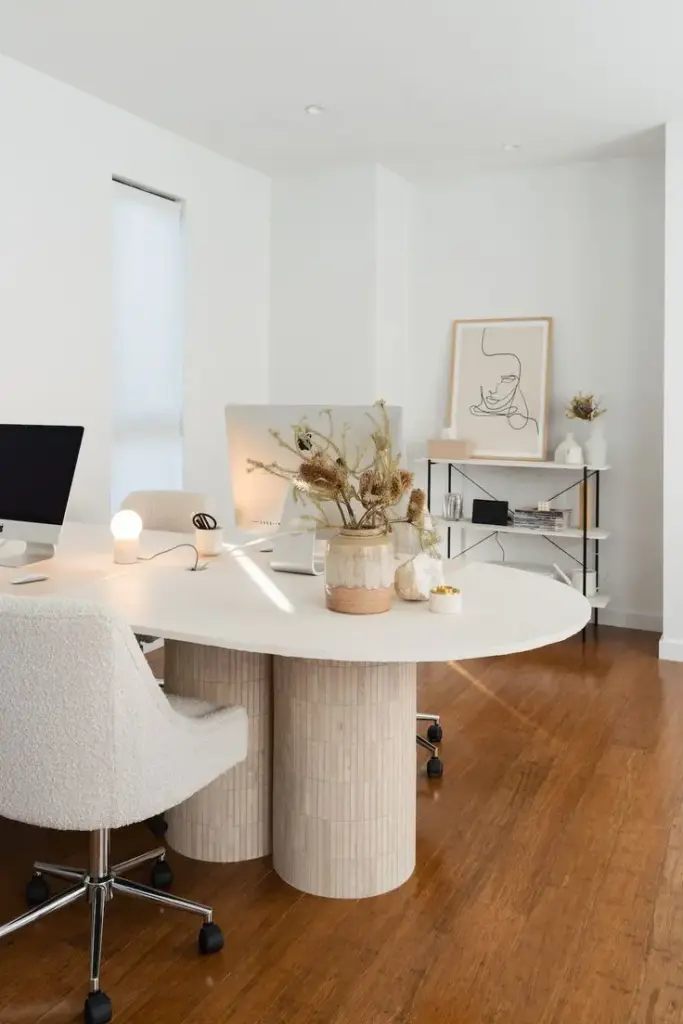
1. Open‑Plan Layout with Defined Zones
The open‑plan layout remains popular, but the 2026 trend emphasizes “structured openness.” Instead of a massive sea of desks, designers carve out distinct zones—quiet pods for deep work, collaborative hubs for brainstorming, and social corners for informal chats. This approach satisfies the need for both privacy and interaction, reducing distractions while fostering teamwork.
Table of Contents
- Why Office Interior Design Matters in 2026
- Key Design Pillars to Elevate Your Workspace
- 1. Open‑Plan Layout with Defined Zones
- 2. Ergonomic Furniture for Health and Efficiency
- 3. Biophilic Design and Natural Elements
- 4. Color Psychology: Choose Hues that Motivate
- 5. Smart Lighting and Acoustics
- Practical Steps to Implement a Modern Office Interior Design
- Case Study: Transforming a Mid‑Size Tech Firm
- Common Mistakes and How to Avoid Them
- Over‑Crowding the Space
- Neglecting Acoustics
- Choosing Trendy Over Functional
- Ignoring Budget Realities
- Future Trends Shaping Office Interior Design in 2026 and Beyond
- FAQs About Office Interior Design
- What budget should I allocate for a complete office redesign?
- How can I incorporate sustainability without inflating costs?
- Is an open‑plan layout still recommended?
- What role does technology play in modern office design?
- How often should I refresh my office design?
- Wrapping Up: Your Blueprint for a Productive, Beautiful Office
2. Ergonomic Furniture for Health and Efficiency
Ergonomic furniture is no longer a luxury; it’s a baseline expectation. Adjustable sit‑stand desks, lumbar‑support chairs, and monitor arms help prevent musculoskeletal strain. A 2024 report from the American Society of Ergonomics highlighted a 30% drop in reported back pain after workplaces upgraded to ergonomic solutions, directly linking comfort to higher output.
3. Biophilic Design and Natural Elements
Bringing nature indoors—through living walls, indoor plants, and natural materials—has proven benefits. The Human Spaces report (2025) found that employees with access to natural elements reported a 15% increase in well‑being and a 6% boost in creative output. Even simple touches like a moss wall or a few potted succulents can make a big difference.
4. Color Psychology: Choose Hues that Motivate
Colors influence mood and behavior. Cool blues and greens are calming and improve focus, making them ideal for concentration zones. Warm oranges and yellows stimulate creativity and energy, perfect for collaborative spaces. When applying color, consider using a neutral base and accent walls that reflect the brand’s personality.
5. Smart Lighting and Acoustics
Natural daylight is the gold standard, but when that’s limited, full‑spectrum LED lighting mimics the sun’s rhythm, reducing eye strain. Acoustic panels, sound‑absorbing ceilings, and carpeted areas help keep noise levels in check, essential for open‑plan environments where conversations can become overwhelming.
Practical Steps to Implement a Modern Office Interior Design
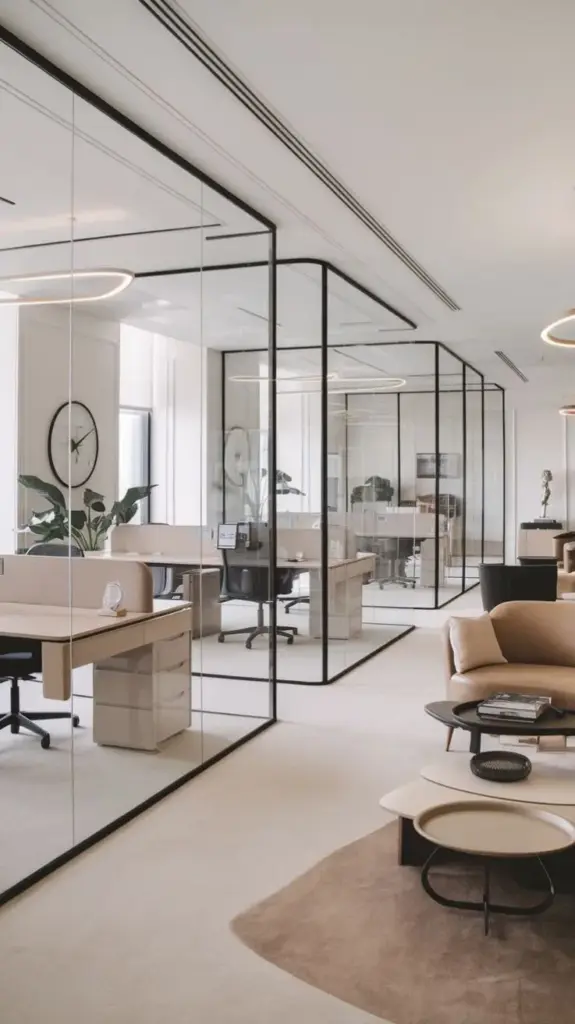
- Assess Your Needs – Conduct employee surveys to identify pain points and preferred work styles.
- Set a Realistic Budget – Allocate funds for core elements (furniture, lighting) first; aesthetic upgrades can follow.
- Choose Sustainable Materials – Recycled wood, low‑VOC paints, and modular carpet tiles reduce environmental impact and often qualify for tax incentives.
- Partner with Experienced Contractors – For seamless execution, work with professionals familiar with office projects. Our guide on finding the best siding installers near me offers a template for vetting reliable service providers.
- Iterate and Gather Feedback – After rollout, re‑survey staff and adjust layouts or furniture as needed.
Case Study: Transforming a Mid‑Size Tech Firm
TechCo, a 150‑person software company in Chicago, faced high turnover and low morale. Their 2019 office was a maze of cubicles with poor lighting. In 2023, they embarked on a redesign based on the pillars above.
- Layout: Replaced cubicles with a mix of open desks, quiet pods, and a central collaboration hub.
- Furniture: Introduced height‑adjustable desks and ergonomic chairs from a leading provider.
- Biophilia: Added a 12‑foot living wall and 30 potted plants throughout the floor.
- Color: Applied a calming slate gray base with vibrant orange accent walls in the brainstorming area.
- Lighting: Installed daylight‑mirroring LEDs and acoustic ceiling tiles.
Six months post‑renovation, TechCo reported a 20% increase in project completion speed and a 25% reduction in employee sick days. Their story underscores how strategic design directly impacts bottom‑line results.
Common Mistakes and How to Avoid Them
Over‑Crowding the Space
Trying to fit too many desks into a limited footprint hampers movement and reduces comfort. Use space‑planning software (e.g., SketchUp or AutoCAD) to model layouts before committing.
Neglecting Acoustics
Open plans can become noisy free‑for‑alls. Incorporate acoustic panels or soft furnishings to absorb sound, especially near high‑traffic zones.
Choosing Trendy Over Functional
While a bold, avant‑garde design may look impressive, it can quickly become outdated. Prioritize durability and adaptability—modular furniture and neutral palettes extend the life of your design.
Ignoring Budget Realities
Skimping on key elements like ergonomic chairs can lead to higher long‑term costs due to employee health issues. A balanced budget that emphasizes health‑centric features yields the best ROI.
Future Trends Shaping Office Interior Design in 2026 and Beyond
As technology evolves, so does the workspace. Here are three emerging trends to watch:
- AI‑Powered Space Management – Sensors track occupancy and environmental conditions, allowing facilities teams to adjust lighting, temperature, and even desk allocations in real time.
- Hybrid‑Ready Zones – Dedicated areas equipped with high‑definition video walls and sound‑proof booths enable seamless collaboration between on‑site and remote staff.
- Adaptive Reuse Materials – Repurposed shipping containers, reclaimed wood, and recycled metal are gaining traction for both sustainability and unique aesthetic appeal. For insight on material selection, see our Home Siding Guide 2026, which breaks down cost‑effectiveness and durability.
FAQs About Office Interior Design
What budget should I allocate for a complete office redesign?
Industry benchmarks suggest $150–$300 per square foot for a mid‑range redesign, covering furniture, lighting, and finishes. High‑end projects can exceed $500 per square foot, especially when incorporating custom elements.
How can I incorporate sustainability without inflating costs?
Start with low‑VOC paints, energy‑efficient LED fixtures, and reclaimed furniture. Many suppliers offer bulk discounts for eco‑friendly materials, and tax credits are often available for green building upgrades.
Is an open‑plan layout still recommended?
Yes, but with defined zones. The key is balancing openness with privacy—use movable partitions, acoustic pods, and varied seating options to cater to diverse work styles.
What role does technology play in modern office design?
Technology is integral, from wireless charging stations built into desks to AI‑driven climate control. Future‑ready offices also include robust cabling and Wi‑Fi 6E infrastructure to support high‑bandwidth devices.
How often should I refresh my office design?
A major overhaul every 7–10 years keeps the space contemporary, while smaller updates (e.g., new artwork, refreshed color accents) can be performed annually to maintain freshness.
Wrapping Up: Your Blueprint for a Productive, Beautiful Office
Investing in thoughtful office interior design isn’t just about aesthetics; it’s a strategic move that enhances employee well‑being, fuels collaboration, and drives measurable business results. By focusing on ergonomic furniture, biophilic elements, smart lighting, and a balanced color palette, you create a space where people thrive. Remember to involve your team early, set a realistic budget, and choose reliable contractors—just as you would when selecting the right siding for a building, as discussed in our Top 7 Tips for Choosing the Best Siding Companies Near Me. With the right plan, your office can become a vibrant, future‑ready environment that attracts talent and fuels success.
